Mandala Coloring Pages for Real Embroidery Projects
A First Impression of Balance and Detail
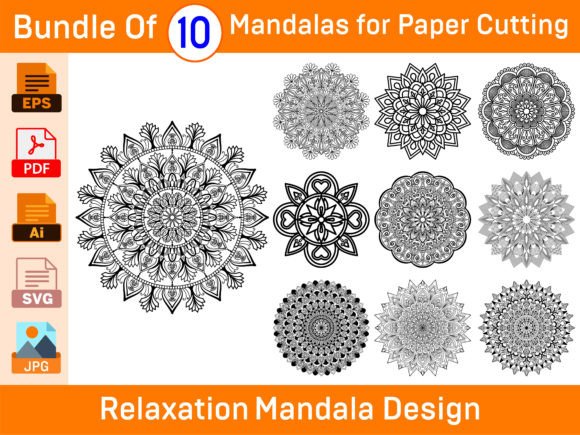
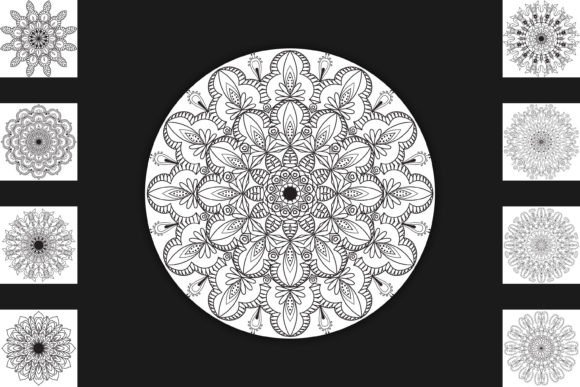
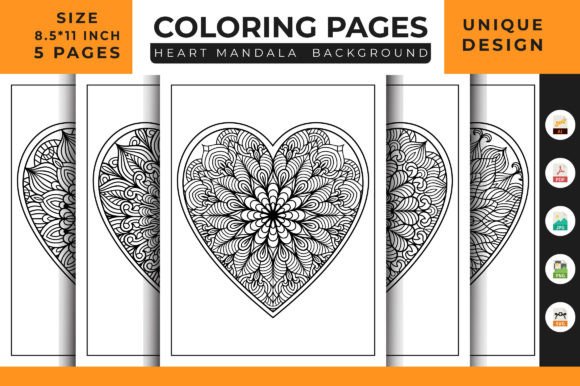
Opening the Mandala Coloring Book Pages KDP Interior files, my immediate reaction was one of calm focus. This is not a frantic, overly-busy mandala collection. The designs possess a balanced, rhythmic quality that feels both intricate and accessible. The theme is universal—a circling harmony of pattern that speaks to mindfulness and creativity. This visual personality is exactly what I look for when selecting embroidery designs for projects meant to be gifts, personal keepsakes, or boutique merchandise. It doesn't shout; it invites a closer look.
The layout and detail level are thoughtfully constructed. Lines are clean, and spaces between elements are generous enough to translate well into stitchwork. This tells me the designer considered how these shapes would be rendered, not just drawn. For embroidery, that's a crucial distinction. It naturally belongs to projects where the finished product should feel meditative and handmade—a beautifully embroidered pillow cover for a cozy reading nook, a custom tote bag for a yoga enthusiast, or a delicate piece of nursery decor.
Where This Mandala Design Thrives in Stitched Form
I imagined applying this design to a linen apron for a client's small kitchenware shop. The circular, symmetrical nature of a mandala works beautifully on a flat, stable surface like an apron bib or a tea towel. The design's balance would create a focal point that feels professional and artisanal, elevating a simple kitchen item into a sellable, giftable piece.
For custom apparel, like a premium sweatshirt, the mandala's structure offers excellent stitching clarity. On a sweatshirt's flat back panel, the fill stitches and satin stitch outlines would have room to lay cleanly, making the pattern pop and adding significant value to the garment. I also thought of a baby blanket or a child's cap. A smaller, simplified element from the collection could become a sweet, personalized embroidery motif, transforming a basic item into a cherished gift. The design's inherent recognizability as a mandala aids in buyer engagement—people understand and appreciate the motif immediately, which builds trust in the handmade presentation.
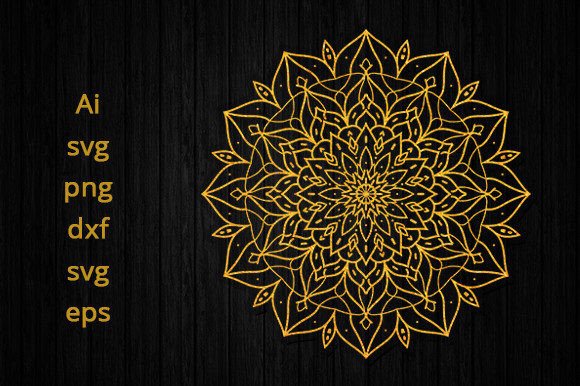
As an Etsy seller or small shop owner, these files are strong commercial embroidery assets. They lend themselves to brand consistency if your shop aesthetic is centered on calm, pattern, or mindfulness. They work wonderfully in printable mockups for digital product previews, showing potential customers exactly how an embroidered tote bag or pillow would look before they commit. The high-quality file formats provided, like SVG and DXF, are essential for clean digitizing and scaling, which directly supports your professionalism as a maker.
Practical Considerations for Stitching Success
While the Mandala Coloring Book Pages KDP Interior designs are versatile, their detail demands a practical approach. On smaller hoop sizes, you must be selective. Embroidering the entire, largest mandala onto a curved surface like a cap could be challenging. The detailed corners and potential dense stitch areas in the center might lose clarity on a small, curved area.
Textured or stretchy fabrics require extra care. A detailed mandala on a thin, stretchy t-shirt would need a very robust stabilizer to prevent puckering and distortion. On dark fabric, your thread color contrast plan is paramount. Testing the design in black and white mockups first helps visualize how the positive and negative space will read on dark backgrounds.
For products destined for frequent washing, like kitchen towels or baby clothes, consider simplifying the design by opting for a running stitch outline version of the pattern rather than a full, dense fill stitch area, which can be more vulnerable over time.
Embroidery Designer Notes Before You Hoop
- Always test the design on a scrap of your intended project fabric first. This reveals the true stitch density and how small details like tight corners will behave.
- Review the provided files at your intended scale in your embroidery software. Inspect small details to ensure they are not too fine for your machine's capability.
- Compare how the design looks on both light and dark fabric backgrounds in your software's preview. This influences your thread palette choice.
- Use proper stabilizer matched to your fabric type—this design's detail deserves a solid foundation.
- Crucially, confirm the licensing terms of the Mandala Coloring Book Pages KDP Interior before selling finished items or using it in commercial embroidery projects. The product category is Graphics, and clarity on usage rights is essential for your craft business.
The Final Stitch: Adding Value to Your Work
Incorporating this mandala design into your embroidery work affects more than just the visual appeal of a single item. It elevates the perceived value of your entire offering. A well-executed mandala on a simple tote bag suggests artistry and care, making it a stronger holiday gift or wedding gift candidate. For a creative entrepreneur, it becomes a reliable, versatile design asset that can be adapted across a line of products—from patches to aprons to boutique-branded merchandise for craft fairs.
The mood it creates—calm, intricate, and purposeful—translates directly through the threads. When a customer sees that mood rendered in stitch on a product, it builds a connection. It feels less like a generic decoration and more like a piece of intentional craft. That’s the real power of a well-designed file like this: it supports you in creating finished products that resonate, look professional, and justify the love and labor you put into your handmade business.