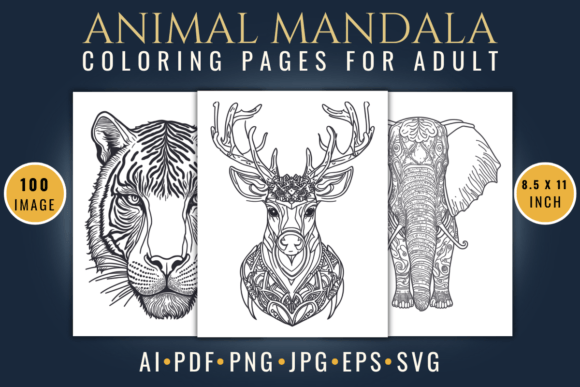
A Practical Review: 100 Animal Mandala Graphics for Branding
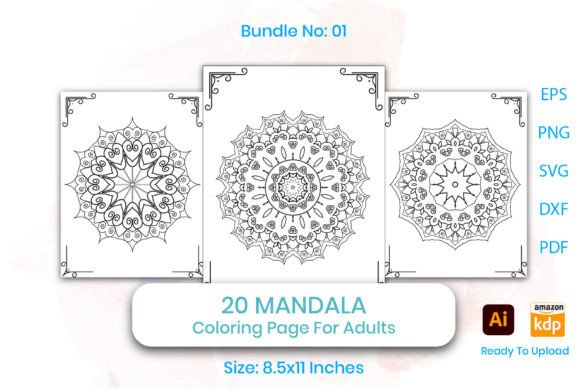
In my studio, a new brand identity project for a local organic skincare line is on my desk. The founder wants a look that balances serenity with a touch of natural wonder. When I received the 100 Animal Mandala Coloring Pages asset for evaluation, my first impression was immediate. This collection doesn’t feel like generic clipart. It carries a distinct mood: intricate, calming, and organically decorative. The style suggests a brand personality that is thoughtful, handmade, and connected to nature—perfect for businesses like apothecaries, boutique florists, candle makers, or artisan food producers aiming for an elegant, yet approachable, aesthetic.
The Mood and Match: Which Local Businesses Benefit Most
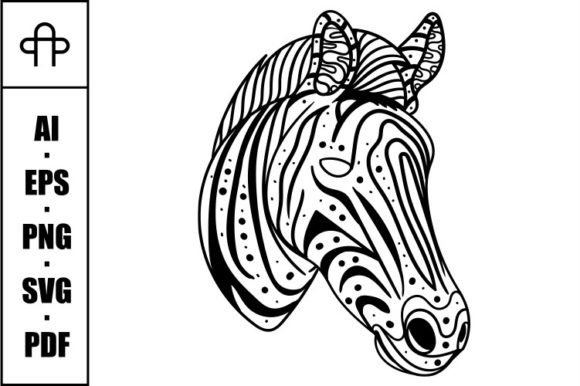
The delicate lines and symbolic animal forms within these mandala designs create a visual language of craftsmanship. This isn’t bold or playful; it’s soft, decorative, and inherently premium. For a small business, this asset could visually communicate values of care, detail, and natural inspiration. I immediately pictured it for a honey label, a linen spray bottle, or the packaging for a handmade soap brand. It feels especially aligned with feminine, rustic, or organic brand stories, where decoration serves to deepen the emotional connection with the customer.
From Digital Files to Physical Brand Presence
As a brand designer, I look at any graphic design asset through the lens of real-world application. The provided PNG files with transparent backgrounds are the key. Here’s how 100 Animal Mandala Coloring Pages translates into tangible small business branding tools.
Core Brand Identity and Packaging Accents
These illustrations can become foundational decorative elements. A single, carefully chosen mandala could serve as a subtle logo for a home decor shop or be integrated into a larger logo design. For product labels—think herbal tea, small-batch preserves, or luxury candles—a mandala can act as a hero graphic, instantly elevating shelf appeal and product recognition. The transparency allows it to float over colored backgrounds or textured papers, crucial for creating professional packaging.
Polishing the Entire Customer Experience
Branding extends beyond the product. This asset supports a consistent visual hierarchy across all touchpoints. Imagine using a smaller mandala on business cards, a larger one on a storefront poster, and a series on social media graphics announcing a new product line. They can adorn thank-you cards, become decorative stickers for order packages, or provide visual breaks on price lists and menus for a cafe. For a seasonal campaign—a florist’s spring collection or a bakery’s holiday offerings—these designs offer ready-made, thematic visuals for promotional ads and flyers.
Strengthening Business Presentation Through Design
Employing such a cohesive set of illustrations builds a stronger brand identity. For a local business, this means a more professional presentation that fosters customer trust. A boutique using these graphics on its hang tags and website banners will appear more polished. The intricate detail invites a closer look, creating a stronger first impression and a clearer emotional connection than a plain text label could. In a crowded market, this visual distinction is invaluable.
Where These Mandala Graphics Shine
The asset works exceptionally well as a decorative layer. Use it for packaging accents, especially on boxes or bags where space allows the detail to breathe. It’s ideal for product mockups to present a concept visually. It can serve as a background element for web design or editorial design in a small business blog. For social media graphics, a transparent PNG can be overlaid onto campaign photos, creating cohesive marketing visuals without needing custom illustration.
Considerations for Practical Application
However, a professional review requires noting where to use it carefully. The intricate lines may become lost or muddy on very small labels, like on a tiny spice jar. Avoid placing it in crowded areas of product packaging, especially near essential text like ingredients or legal information. For a luxury minimalist brand seeking stark simplicity, this decorative style might compete with the core message. Always preview the design on a low-contrast background to ensure clarity.
Essential Brand Designer Notes Before Client Use
Before integrating 100 Animal Mandala Coloring Pages into a client’s commercial design, I run through a checklist. First, test the PNGs on actual packaging mockups—see how they look at actual print size. Check their appearance in black and white for potential non-color applications. Preview a mandala on a small label template to gauge line visibility. Crucially, test the graphics alongside your chosen brand fonts: do they harmonize with a clean sans-serif, or clash with a busy script? This ensures a cohesive visual hierarchy.
For physical product sales, confirm the commercial license terms explicitly. As these are digital products intended for business branding, ensure usage covers client work and physical product sales. While not vectors, the 300 dpi PNGs should support high-quality print for labels and promotional materials. Finally, compare a mockup using this asset side-by-side with competitor packaging. Does it help your client’s product stand out with a more consistent and professional branding story?
The Final Verdict for Creative Entrepreneurs
For the skincare project on my desk, this asset is a strong candidate for accent graphics. For small business owners, marketers, and packaging designers seeking ready-made elegance, the 100 Animal Mandala Coloring Pages collection offers a versatile toolkit. It moves beyond being just coloring pages amp graphics to becoming a potential pillar of a brand’s visual identity. When applied thoughtfully—focusing on mood match, practical scaling, and license clarity—it can transform product labels, social media content, and entire brand presentations into something distinctly memorable and trusted.