Botanical Flower Line Art: A Publisher’s Review for Graphics & Content
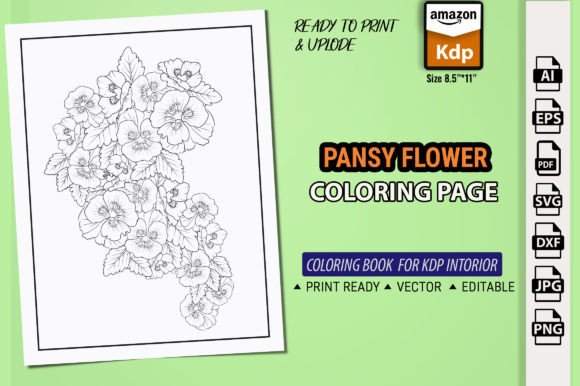
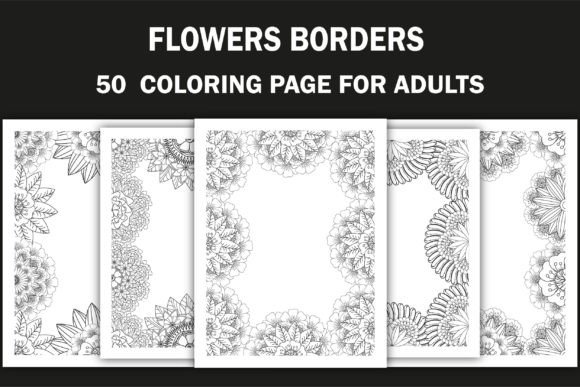
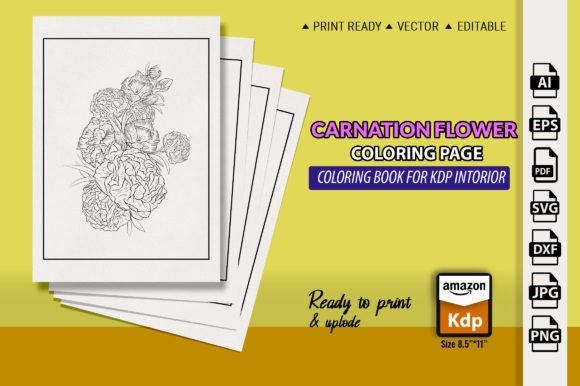
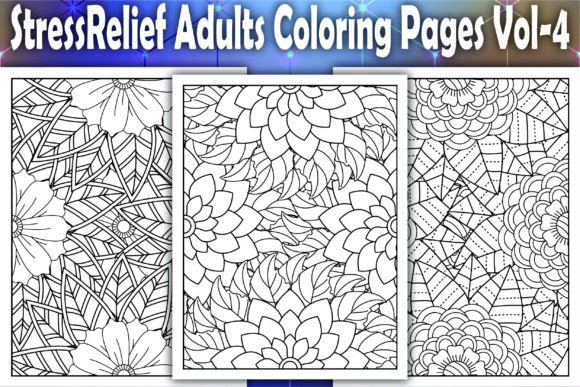
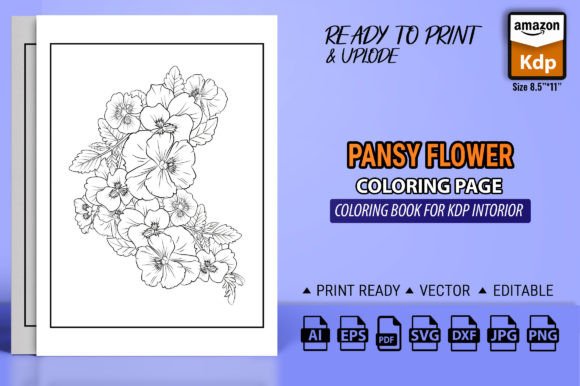
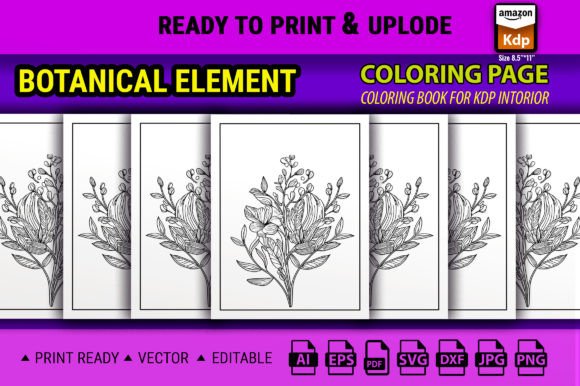
When a new graphic design asset lands on my desk, my first question isn't about its technical specs, but about its editorial potential. How will it make my content look? Botanical Flower Line Art Illustration makes an immediate, strong impression. The clean, detailed line work evokes a sense of calm, artistic sophistication. This isn't a playful, cartoonish graphic; it’s a decorative, elegant asset that supports content aiming for a lifestyle-focused, feminine, or creative niche. It feels modern yet timeless, perfect for blogs centered on wellness, gardening, art education, or mindful living.
The Editorial Mood: Where This Botanical Art Thrives
This digital printable botanical element creates a specific visual atmosphere. It brings an organic, artistic quality to any layout. For a publisher, this translates to reader perception. Using this illustration on a blog post about self-care or a digital guide on floral arranging instantly elevates the content’s perceived value. It signals to your audience that you’ve invested in a polished, beautiful presentation, which directly builds reader trust and engagement.
From Vector File to Published Content: Real Use Cases
As a vector Adobe Illustrator file measuring 8.5x11 inches, this asset is incredibly versatile for real publishing workflows. Here’s how I would deploy it across a content website or affiliate blog:
- Featured Images & Article Headers: The high-resolution detail makes it ideal for hero images. Pair it with a bold headline in a complementary serif or sans-serif font for a striking blog post entrance.
- Pinterest Pins & Social Media Graphics: Its vertical format is tailor-made for Pinterest. Used as a background for text overlay, it creates Pinterest pins that stand out in a busy feed, improving click-through potential.
- Downloadable Resources & Lead Magnets: The core description mentions it as coloring book art, but its value extends far beyond. It’s perfect for designing beautiful worksheets, digital guide covers, or printable planners offered as content upgrades.
- Newsletter Graphics & Email Banners: A slice of this illustration can serve as a consistent header graphic for your email campaigns, strengthening your visual identity across channels.
- Website Banners & Category Thumbnails: Use it to visually define a “Gardening Tips” or “Creative Projects” category on your site, aiding in category recognition.
- Digital Product Covers: For affiliate marketers or online educators, it can form the foundation of an eBook cover or Canva template for a paid digital product, adding instant editorial quality.
Supporting Content Performance: Beyond Decoration
A great blog graphic isn’t just decoration; it’s a functional part of your content marketing. This botanical line art supports key performance drivers:
- Visual Hierarchy: Its intricate lines naturally draw the eye, creating a focal point that you can layer text over, guiding readers to your headline or call-to-action.
- Consistent Branding: Repeated use across blog graphics, social media posts, and printables creates a cohesive, professional-looking content system.
- Stronger First Impression: In a sea of low-quality stock images, this unique asset makes your article or landing page look custom-designed.
- Professional Polish: For small business owners and creative entrepreneurs, using such refined design assets signals credibility and care in your digital publishing.
Best Practices for Deployment: Hero Images to Thumbnails
This graphic design asset works exceptionally well in prominent, spacious roles. Think hero images at the top of blog posts, full-width Pinterest pins, and the covers of your downloadable resources. It’s also superb as an editorial accent in the sidebar or as a recurring visual theme in a newsletter header.
However, use it carefully in certain contexts. Its fine lines may lose impact in very small mobile thumbnails. Avoid placing it on already busy layouts or as a background for long blocks of text, as the contrast needs to be managed for readability. While versatile, it might feel out of place on a website dealing with serious, corporate, or highly technical niches that require a very minimal visual system.
Practical Publisher Notes Before You Hit Publish
Before integrating Botanical Flower Line Art Illustration into your live content, run these real-world checks:
- Test it on both desktop and mobile screens. How do the delicate lines render?
- Preview it as a small thumbnail. Does it still convey its botanical theme?
- Drop it into a real blog layout draft. Place it beside different font styles—serif, sans-serif, script—to find the best typographic pairing.
- Check contrast and readability if overlaying text. A semi-transparent background panel might be needed.
- Review the final file size for web performance. Compress any exported JPG or PNG properly to keep page speed high.
- Most critically, confirm the commercial license terms before using it on monetized websites, affiliate pages, or paid digital products. This is essential for commercial design use.
Ultimately, this isn’t just a coloring page graphic. It’s a versatile, high-quality creative design tool. For bloggers, digital marketers, and content creators, it provides a ready-made solution for elevating visual communication across your entire publishing ecosystem—from your website header to your social media graphics to the digital downloads that deepen audience engagement. When your content needs to look polished and clickable, assets like this botanical line art are the quiet, powerful allies that make it happen.