A Real-World Embroidery Review of Bellflower Drawing, Pencil Art Vector
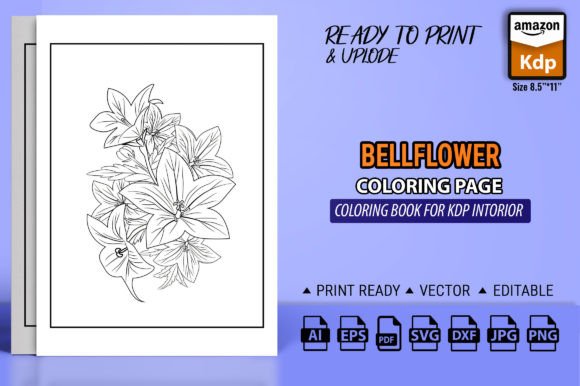
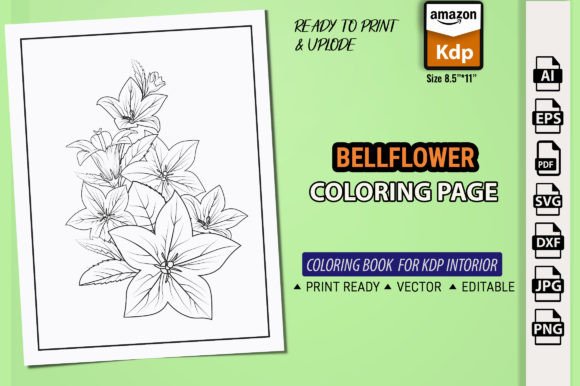
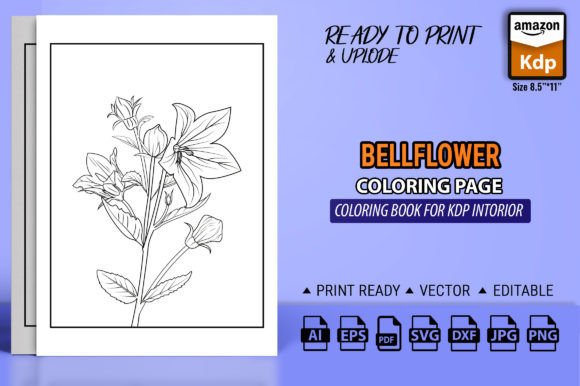
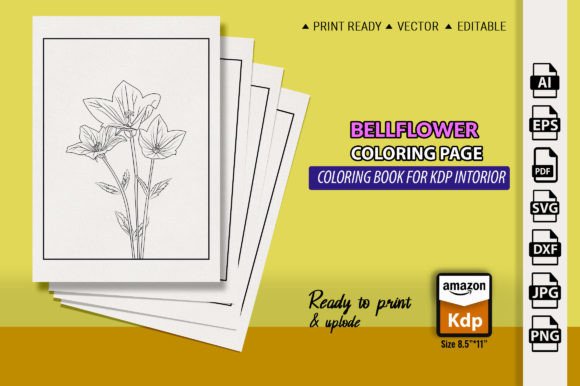
When you’re looking at digital artwork to turn into real-world embroidery, the first impression tells you everything. Bellflower Drawing, Pencil Art Vector greets you with a soft, artistic hand-drawn quality. It doesn’t shout; it invites. This isn’t a crisp, geometric design—it’s a gentle pencil sketch brought into the digital realm, and that’s where its magic for embroidery begins. The mood it creates is tranquil and personal, perfect for projects that feel like a heartfelt gift or a boutique staple, not a mass-produced item.
The Shape and Flow: Where This Bellflower Belongs
The layout, with its natural botanical flow, immediately suggests it belongs on fabric. I picture this design on a linen apron, the pencil-like lines translating beautifully into running stitch outlines. I think of it centered on a cotton pillow cover for a nursery, where the softness of the art matches the tenderness of the space. For an Etsy seller or a small shop owner, this is a design that elevates a simple product—a plain kitchen towel becomes a cherished tea towel with this embroidered on the corner. Its visual personality is understated elegance.
The detail level is interesting. As a vector, the lines are clean, but the aesthetic is sketched. This means for embroidery, we’re likely looking at outlines and light fills rather than dense, solid satin stitch areas. It’s a design that will stitch quickly and won’t overpower lighter fabrics. It naturally belongs to projects where the fabric texture is part of the appeal: organic cotton, light canvas tote bags, delicate baby clothing like a heirloom blanket, or a subtle accent on a wedding gift handkerchief.
Putting the Design to Work: A Practical Embroidery Scenario
Let’s walk through a real case. Imagine you’re preparing a custom embroidered tote bag for a client who loves garden themes. You load the Bellflower Drawing, Pencil Art Vector file. You’re not thinking about the digital product page now; you’re thinking about how it will look stitched. On a natural canvas bag, those sketched bellflower lines, rendered in a single shade of soft grey or slate blue thread, will look hand-drawn. The open, airy feel of the design means stitch density will be manageable—no worries about puckering heavy fabric. It feels professional but approachable.
This is where customer trust builds. When a buyer sees the finished product, they recognize the care taken. The design doesn’t fight with the handmade presentation; it complements it. For a crafter or apparel decorator, this boosts the product’s value. It looks intentional, not generic. For holiday gifts or personalized products, like a monogrammed pillow cover with this bellflower as a corner accent, it adds that layer of thoughtful design that people appreciate.
Where This Design Finds Its Best Home
In practical embroidery situations, Bellflower Drawing, Pencil Art Vector shines on:
- Custom apparel like t-shirts and sweatshirts where a lighter, less dense embroidery is desirable for comfort.
- Tote bags and aprons made from mid-weight fabrics, where the design becomes a signature decorative element.
- Baby clothes and nursery decor items, where a soft, non-busy motif is key.
- Embroidered patches for a handmade, artsy feel, especially on caps or hats where you want detail but not overwhelming bulk.
- Pillow covers and tea towels, staple products for craft fairs and boutique branding.
- Printable mockups for your digital product listings if you’re selling the embroidery file itself—the artwork’s clean vector nature makes it excellent for previews.
The Caution Zones: Where to Use Care
Every design has its limits, and a thoughtful review means pointing them out. Because this design appears to rely on line work and likely lighter fill stitches, you need to be careful in a few scenarios.
- Very small hoop sizes might compress the design too much, losing the graceful flow of the bellflowers. Test it first.
- Highly textured or very thin, stretchy fabric could make those fine lines difficult to register cleanly. A good stabilizer is non-negotiable here.
- Dark fabric backgrounds require a smart thread color choice. The sketched feel might need a bold, contrasting thread to pop, or it could be designed for a softer, tonal look. Check it in black and white mockups to judge contrast.
- Curved surfaces like caps can work, but inspect the design’s small details to ensure they won’t get lost on the seam.
- Products needing frequent washing, like kitchen linens, require you to consider stitch integrity—a simpler design like this is often a good candidate, but always test on scrap fabric first.
This isn’t a design for dense, heavy stitch areas. It’s for decorative accents. That’s its strength, but you must place it accordingly.
How This Design Impacts Your Craft Business
For the small business owner, the digital product seller, the creative entrepreneur, visual appeal translates directly to buyer engagement. Bellflower Drawing, Pencil Art Vector offers a distinct, recognizable style. It helps with brand consistency if your shop specializes in botanical, hand-drawn themes. Its giftability is high—it feels personal. In a market saturated with bold graphics, this offers a quieter, sophisticated alternative that can attract a specific customer.
Stitching clarity is paramount. A clean vector file typically means cleaner paths for your embroidery machine to follow, leading to a professional finished product. That professionalism builds trust. When a customer receives a sweatshirt with this embroidery, they see a clear, beautiful design, not a messy, pixelated translation. It looks like you invested in a quality design asset, and that reflects on your entire craft business.
Essential Designer Notes Before You Stitch
Before you commit this to a client project or your small shop merchandise, do your homework.
- Always test the design on scrap fabric first, using the same material and stabilizer as your final product.
- Check thread color contrast against your final fabric. Play with tonal threads for a subtle look or brighter ones for pop.
- Review the stitch density in your software. Since this is described as a vector graphic from a coloring book context, understand how your embroidery software will interpret the fills and outlines.
- Confirm your hoop size can accommodate the design’s 8.5x11 inch original scale or your scaled-down version.
- Inspect the small details—the pencil-art style might have fine lines that require a specific needle or thread weight.
- Crucially, check the licensing terms of the original digital product. Is this Bellflower Drawing file intended for commercial use in finished embroidery products? Never assume. Confirm before selling any handmade product, Etsy listing, or commercial embroidery project derived from it.
Remember, the product category here is Graphics, often under Coloring Pages. Its core use is different, but its adaptation for embroidery is powerful. Approach it with the respect of a designer translating one art form into another. When you do, this bellflower can blossom beautifully across your embroidery projects, from personalized gifts to your best-selling boutique product.