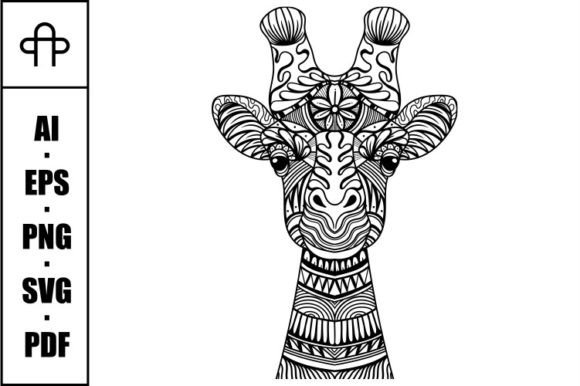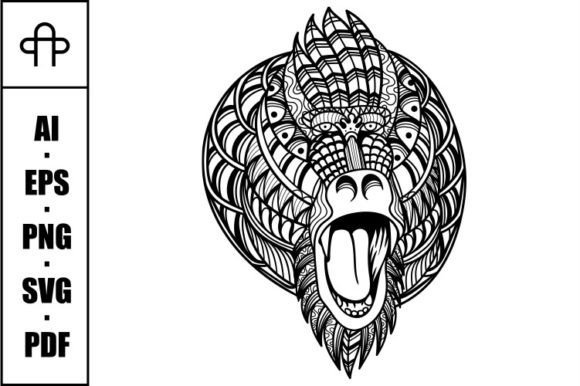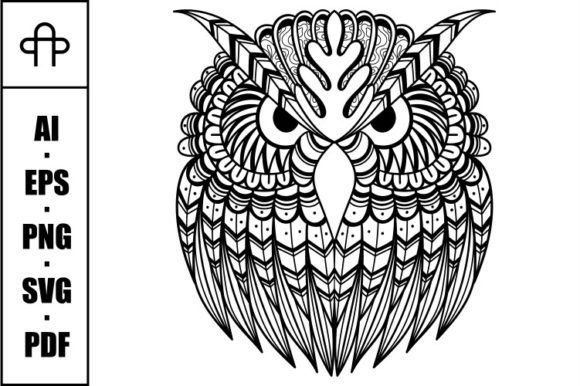
A Practical Review of the Eagle Head Mandala Zentangle Design for Embroidery
As a designer who regularly translates digital art into stitched reality, my first question with any new graphic is simple: will this actually work on fabric? When I downloaded the Eagle Head Mandala Zentangle Coloring, I wasn’t just looking at a pretty illustration. I was evaluating a potential embroidery design for real client projects, gifts, and my own small shop merchandise. Here’s my practical judgment after considering it for real use.
First Impression: A Design That Commands Attention
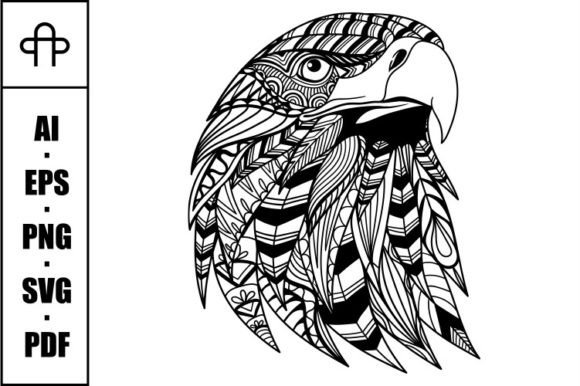
The eagle head, framed by that intricate, symmetrical mandala, creates an immediate sense of strength and focus. The Zentangle-style detailing within gives it a modern, almost meditative personality. This isn’t a cute or casual motif. It feels intentional and bold. My designer brain instantly started picturing it on a heavyweight sweatshirt or the center of a structured tote bag—projects where you want the artwork to be the star, not just a subtle accent. The layout is balanced and centered, which is a relief for embroidery; it naturally fits within a standard hoop without needing awkward adjustments.
The Real-Life Embroidery Scenario: A Custom Anniversary Gift
I imagined a specific project: a custom embroidered pillow cover for a client’s anniversary gift, symbolizing strength and longevity. This is where a design’s true character is tested. The mandala’s repeated patterns would translate beautifully into fill stitch areas, creating solid, textured segments. The eagle’s defining lines, especially around the beak and eye, would need clean satin stitches or running stitches to maintain clarity. The level of detail is rich, but not overwhelmingly fine—it suggests it could hold up well on a medium-scale project, perhaps a 5x7 inch hoop area, without losing definition.
Where This Eagle Design Would Soar
This graphic has a versatile weight. It would be exceptional on:
- Custom apparel like denim jackets, hoodies, or canvas aprons where the fabric can support the design’s presence.
- Statement tote bags or pillow covers for home decor.
- As a focal point for embroidered patches, especially for those in outdoor or leadership-themed businesses.
- On heavier baby blankets or nursery wall hangings (with softened color palettes) for a bold, symbolic nursery decor piece.
- As a premium personalized gift like a framed embroidered art piece.
- For small business merchandise in boutique shops, particularly brands with nature, power, or mindfulness themes.
The provided file formats—AI, EPS, PNG, SVG, PDF—are a practical advantage. For embroidery digitizing, the vector files (AI, EPS, SVG) allow for clean scaling without quality loss, which is crucial when adapting the coloring page for different hoop sizes. The PNG is perfect for creating printable mockups for your Etsy listings or website previews.
Caution Areas: Where to Hoop Carefully
While the design is strong, its application needs thoughtful consideration. The intricacy means you should avoid very small hoop sizes. Trying to shrink it onto a cap’s curved front or a baby sleeve might compress those mandala details into a muddy blur. Similarly, on highly textured or stretchy fabrics like thin knits, the dense areas could become distorted without the right stabilizer. I’d also be cautious with very dark fabric backgrounds unless you plan a high-contrast thread palette; some of the Zentangle interior lines might lose their visual separation.
For products destined for frequent washing, like kitchen towels or everyday sweatshirts, you’d want to test the stitch density. Areas with potential high stitch counts could become overly stiff. A test run on scrap fabric of your intended material is non-negotiable here.
How This Design Impacts Your Product’s Value
Using a design with this much visual depth inherently elevates the perceived value of your finished product. It looks considered and professional. On a handmade tote bag, it moves the item from “crafty” to “artisan.” For an Etsy seller, it creates a standout piece that can differentiate your shop. The eagle theme carries instant recognition and symbolism, which can boost buyer engagement—people connect with it emotionally. This makes it highly “giftable.” However, that also means your execution must be clean. Any stitching errors in such a symmetrical, precise design will be noticeable and could undermine customer trust in your craftsmanship.
Practical Designer Notes Before You Stitch
My workflow for a design like this always includes a few key steps:
- First, I open the vector file and scale it to my intended hoop size on screen, inspecting the smallest lines to ensure they’ll be clear when translated to stitches.
- I create simple black and white mockups to see how it reads without color, focusing on form and contrast.
- I plan my thread colors carefully. Since it’s a coloring page illustration, the color choice is entirely yours. A monochromatic scheme could look modern and sophisticated, while bold colors could make it vibrant and energetic.
- I confirm the licensing for my intended use. The description states it’s “for your company or brand,” which suggests commercial embroidery use is permissible, but I always recommend a final personal check of the license terms before selling finished items or using it in digital product assets.
- Finally, I never skip the scrap fabric test. It reveals everything: how the fabric texture interacts with the detail, whether my stabilizer choice works, and if the overall look meets my quality standard.
The Eagle Head Mandala Zentangle Coloring, from a professional standpoint, is a robust graphic asset. It’s not a simple, quick-stitch design. It’s a commitment to a project that aims to make a statement. For embroidery designers and makers looking to create products with weight, meaning, and high visual appeal, this design provides a powerful foundation. Your skill in digitizing, stitching, and finishing will bring it to life, but the art itself gives you a formidable starting point.