A Designer's Review of 10 Floral Mandalas for Embroidery
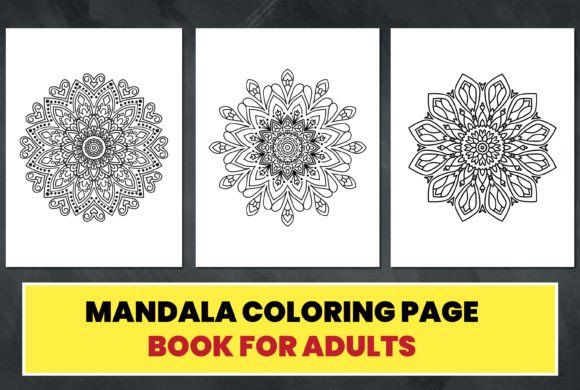
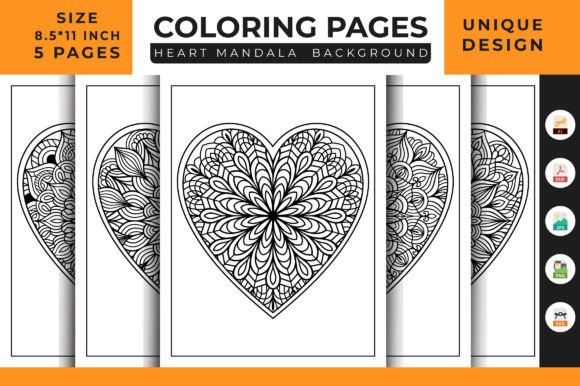
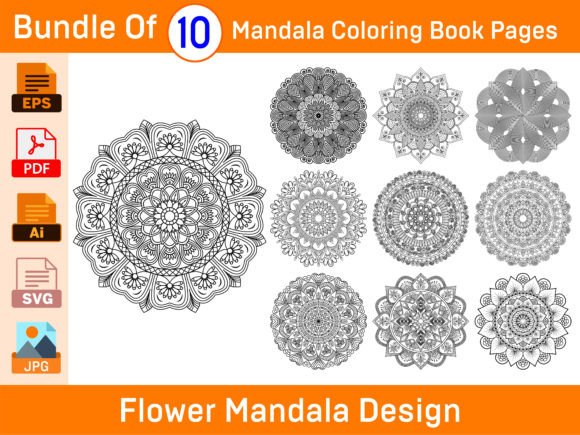
Let's talk about the Coloring Book Pages Bundle of 10 Mandala designs from the perspective of someone who actually stitches these things onto fabric. I’m looking at this bundle not just as a collection of graphics, but as potential embroidery files that need to translate beautifully into a real, tangible product. My first impression? This is a set with serious potential for creating calm, intricate, and visually rewarding projects. The floral mandala theme carries a gentle, balanced personality—it feels both meditative and celebratory, which is a wonderful starting point for any handmade item.
Where These Mandalas Naturally Belong in Your Projects
Immediately, I can see these designs slotting into projects where detail and artistry are the focal point. Think of a custom embroidered tote bag for a yoga instructor, a serene pillow cover for a nursery, or a beautifully detailed patch on a denim jacket. The layouts are symmetrical and floral-centric, which means they carry a universal appeal. They wouldn’t feel out of place on a kitchen towel in a boutique farmhouse-style shop or as the central motif on a personalized baby blanket. The mood is inherently giftable: thoughtful, crafted, and aesthetically pleasing without being overly loud.
A Real-Life Scenario: Crafting a Boutique Apron
Picture this: you’re preparing a limited run of embroidered aprons for your small shop or Etsy store. You want something that feels special, not generic. One of these mandalas, scaled appropriately, stitched onto the chest pocket area of a natural linen apron, would immediately elevate it from a simple kitchen item to a boutique product. The floral patterns suggest craftsmanship and care. A customer’s reaction would likely be one of appreciation for the intricate detail—it looks like something made with time and intention, which is exactly the trust and value you want your handmade products to convey.
Performance in Real Embroidery Situations
Now, the practicalities. How would this bundle perform once it’s translated into stitches? Because these are described as vector designs intended for coloring book pages and paper cutting, they inherently have clean lines and distinct areas. This is fantastic for embroidery. It means the shapes are likely well-defined, which is crucial for clear satin stitch borders or distinct fill stitch regions. For custom apparel like sweatshirts or t-shirts, a well-digitized version of one of these mandalas could become a stunning centerpiece. On a tote bag, it would hold up as a durable, decorative design. For baby embroidery on a onesie or a small blanket, choosing a mandala with slightly less dense detail would ensure it stays soft and doesn’t become too stiff.
The bundle’s variety of 10 designs offers flexibility for commercial embroidery projects or a series of products for a craft fair. You could create a cohesive line of holiday gifts—think embroidered pillow covers, tea towels, or embroidered patches—all featuring different mandalas from the same set, giving your brand a consistent, artistic feel. For digital product sellers, these designs can be excellent assets for creating printable mockups to show clients how a finished embroidered product might look, enhancing your buyer engagement.
Areas for Careful Application
It’s not all automatic, though. The intricate nature of mandalas demands some designer forethought. On very small hoop sizes, the finest details might become lost or too dense, leading to potential puckering. On textured fabrics like some sweaters or on stretchy fabric like certain t-shirts, those tiny, precise lines could be challenging. Dark fabric requires careful thread color contrast planning—you might need to opt for brighter, lighter threads to make the pattern pop. Embroidering onto curved surfaces like caps means considering how the circular layout of a mandala will sit on that curvature.
For products that need frequent washing, like kitchen towels or baby items, you’d want to evaluate the final stitch density. A design with too many tightly packed stitches in a small area could make the fabric less flexible and more prone to wear in the wash. Always test the design on scrap fabric first, using the same material and stabilizer you plan for the final product. This is non-negotiable.
Professional Notes for the Working Designer
Before committing this to a client project or your own shop inventory, here’s my checklist. First, I would absolutely run a test stitch, even a partial one, to inspect the small details and overall clarity. I’d check it in both black and white digital embroidery file mockups and, crucially, compare how it looks on both light and dark fabric backgrounds in real life. The choice of thread colors will dramatically alter the feel—a monochromatic scheme could be modern and sleek, while a multi-color approach could be vibrant and joyful.
Use proper stabilizer suited to your fabric. For a design with potential for dense areas, a good stabilizer is your best friend to prevent distortion. Also, confirm the licensing for this product before selling finished items or using it in commercial projects. Since it’s categorized under Graphics and Coloring Pages Amp, the intended use might be broad, but you must verify that it includes the rights for machine embroidery design application and resale of physical goods if that’s your goal.
Ultimately, the Coloring Book Pages Bundle of 10 Mandala presents a strong foundation for projects that prioritize visual appeal and handmade presentation. Its success hinges on your skill as the digitizer or the quality of the provided embroidery file conversion, and your diligence as a maker in preparing it for the real world of fabric and thread. When executed thoughtfully, it can become a product that feels professional, engaging, and genuinely special—the kind of item that makes both the crafter and the customer smile.