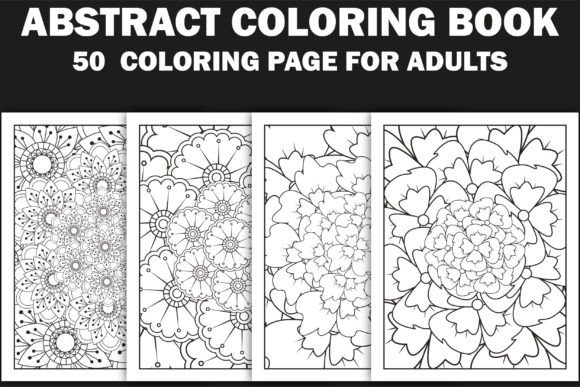
A Designer's Look at the 50 Abstract Coloring Pages Bundle
Let me start by putting this bundle into a real scenario. I'm planning a series of custom embroidered tote bags for a small boutique. They want something modern, unique, and artistically textured—not a standard floral or script logo. This is where something like the 50 Abstract Coloring Pages KDP bundle enters my workspace. My first task is to evaluate it not as a digital graphic, but as a potential source for embroidery designs.
The First Impression: A Mood Board for Embroidery
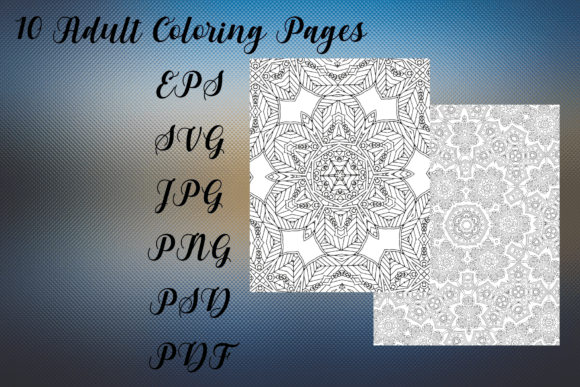
Opening a set of 50 abstract backgrounds, the immediate feeling is one of creative possibility. These aren't illustrations with strict narratives; they are compositions of shapes, lines, and patterns. The mood varies from orderly geometric repeats to flowing, organic swirls. This visual personality is perfect for embroidery projects aiming for a contemporary, artistic, or even slightly avant-garde feel. They whisper "handmade by a designer" rather than shout "mass-produced."
For my boutique tote bags, this means I can select a design that matches the boutique's brand—maybe a clean, linear pattern for a minimalist look, or a more chaotic, energetic one for a vibrant, youthful feel. The detail level in these graphics is a crucial consideration. Some patterns are dense with fine lines, while others use bold, open shapes. The former might translate into a detailed, time-intensive embroidery project, while the latter could become a quicker, bold statement piece.
Where These Abstract Designs Sing in Embroidery
Some embroidery projects are a natural home for these abstract patterns. Think of them as decorative textures.
- Sweatshirts & Apparel: A single, large abstract motif on the back of a sweatshirt, using satin stitches for smooth shapes and fill stitches for denser areas, creates a high-value, custom look.
- Tote Bags & Pillow Covers: These are perfect canvases. The abstract design becomes the central art, elevating a simple bag or pillow into a boutique product.
- Embroidered Patches: Converting a simpler, bold abstract shape into a patch for caps, jackets, or bags is a fantastic application. It offers a modern alternative to traditional patch logos.
- Home Goods: Embroidered onto the corner of a tea towel, across a blanket, or as nursery decor, these patterns add a personalized, designer touch without being overly thematic.
- Gift Items: For wedding gifts, holiday presents, or personalized products, an embroidered abstract design feels thoughtful and artistic, appealing to a recipient's taste rather than a specific hobby.
For Etsy sellers and craft business owners, this bundle offers a library of starting points. You can use different designs across a product line—aprons, baby clothes, kitchen towels—to create a cohesive, branded look for your shop.
The Practical Stitching Considerations
Now, let's move from inspiration to the embroidery machine. How does a graphic like this perform when translated into stitches?
Stitching Clarity & Detail: The success hinges on the original graphic's clarity. Fine, intricate lines in a coloring page might become a series of tiny running stitches that could look fuzzy or lost on textured fabric. Bold, well-defined shapes will translate beautifully into clean satin stitch borders or crisp fill stitch areas. This is where your designer's eye must judge: which designs in the bundle have the strong, clear forms best suited for embroidery?
Fabric & Hoop Size: These designs, especially the more expansive ones, will likely shine on larger hoops. Embroidering on a tote bag or pillow cover allows for a bigger, more impactful display. On smaller items like baby clothes or caps, you'd need to select the simplest, most open patterns from the set. Dense stitch areas on stretchy fabric or thin fabric require careful stabilizer choice to prevent puckering.
Caution Areas for Embroidery Application
Not every project is an ideal fit. Here's where to proceed carefully.
- Small-Scale Projects: Attempting a complex, detailed abstract design on a tiny hoop for a cap or a small patch might result in a muddled, unclear finished product.
- Textured or Dark Fabrics: A design with lots of subtle, interconnected lines could lose definition on a nubby linen or a dark fabric where thread color contrast is critical.
- Products for Frequent Wash: If the design becomes very dense with stitching, it might affect the drape or durability of a frequently washed item like a tea towel or baby blanket. Opt for simpler, less dense selections from the bundle for these uses.
The visual appeal of the final embroidered product directly impacts customer trust and perceived value. A crisp, well-executed abstract design looks professional and high-end. A blurry, overcomplicated one can look amateurish.
A Designer's Checklist Before You Stitch
Before I commit any of these 50 abstract designs to a client's project or my own shop merchandise, I follow a practical routine.
- Test on Scrap Fabric First: Always. Use the same fabric and stabilizer you plan for the final project. This reveals the true stitch density, how small details render, and the overall clarity.
- Check Thread Color Contrast: Play with palettes. An abstract design might allow for unexpected, modern color combinations that enhance its artistic feel.
- Review in Black & White: Viewing the design as a simple monochrome mockup helps judge its form and balance without color distracting you.
- Consider the Background: Test the idea on both light and dark fabric backgrounds in your software to plan your thread choices.
- Confirm Licensing for Your Use: Since this bundle is described for KDP and POD, clarify its licensing for physical, embroidered products. Can you use it for commercial embroidery on items you sell? Always confirm this before selling finished items.
- Match Design to Product Purpose: Is this for a gift, where warmth and artistry matter? Or for boutique branding, where consistency across products is key? Select the abstract pattern that serves the purpose.
Ultimately, the 50 Abstract Coloring Pages KDP bundle is a treasure trove of inspiration for the creative entrepreneur. It’s not a ready-made embroidery file, but a potent source for creating unique embroidery projects. For the craft business owner, it provides assets to develop a distinctive line of custom apparel and handmade products. Your job as the designer is to curate, adapt, and expertly translate these graphics into stitches that tell your—or your client’s—unique story.